


Pilates: What It Is and Health Benefits
Pilates is your ideal solution if you have been in vain searching for a new exercise routine that can provide you with a perfect balance of flexibility, strength, and muscle tone and assist with aches and pains. Pilates has been around for nearly 100 years and continues gaining traction, picking up new athletes. One of the integral reasons it’s become a prominent workout mode is that it’s personalizable to suit you and your health goals. Pilates is a great workout, regardless of your goals, age, gender, health status, and fitness level. In this article, we will explore everything about this exciting workout. So, grab your comfortable posture and stay tuned to learn more about Pilates.


İÇİNDEKİLER
What is Pilates?
Pilates is a mind-body exercise that develops strength, flexibility, and control through precise movements and mindful breathing. Joseph Pilates created it in the early 20th century and was initially called “Contrology”[3]. The method emphasizes the core muscles, which include:
- The deep abdominal muscles
- The pelvic floor
- Inner thigh muscles
- The muscles around the spine.
The core is the foundation for all movements in Pilates and helps maintain proper alignment and stability throughout the body. When you employ Pilates in your workout routine, you can improve your muscle tone, flexibility and strength and help you heal from injuries[2].
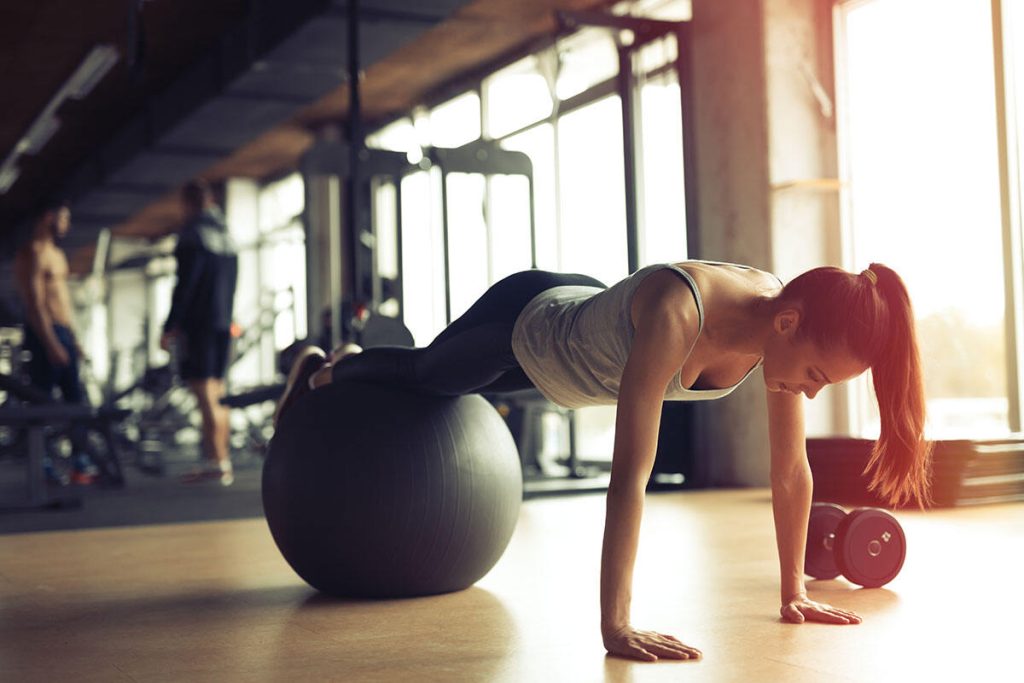
What is Reformer Pilates?
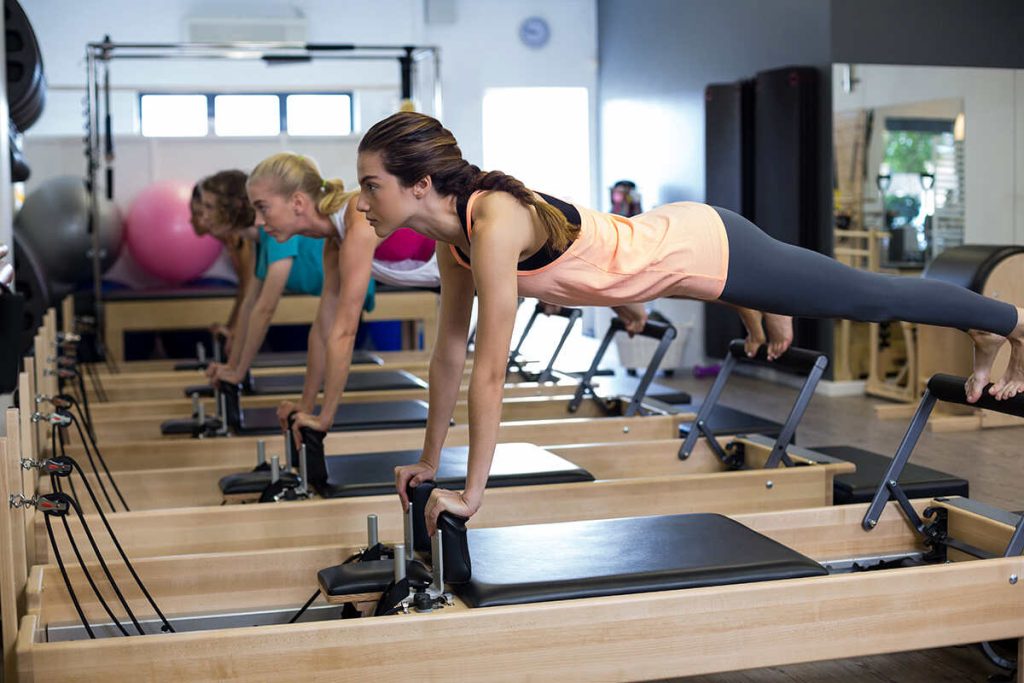
Reformer Pilates is a special kind of Pilates workout that makes use of a reformer piece of equipment. The reformer is a bed-like frame with a sliding carriage and various adjustable springs and straps. In reformer pilates, you use your body weight and the resistance provided by the springs to perform a wide range of exercises. The reformer’s design allows for added resistance, support, and assistance. It is, therefore, a flexible tool that both new and experienced practitioners may use[4].
What Is the Difference Between Pilates and Reformer Pilates?
As mentioned above, Pilates and Reformer Pilates are popular workout modalities that concentrate on enhancing body fitness, flexibility, and strength. While they share similarities and are rooted in the same principles, there are distinct differences between Pilates and Reformer Pilates. Let’s explore them further:
- Equipment: Pilates can be performed on a mat or with small props, while Reformer Pilates utilizes a specialized apparatus called a reformer.
- Resistance: In Pilates, resistance is mainly provided by body weight or props, whereas Reformer Pilates uses the adjustable springs on the reformer to provide resistance.

- Versatility: Pilates exercises can be modified for different fitness levels. Reformer Pilates offers more flexible resistance options. This makes it adaptable for practitioners with varying strengths and abilities.
- Muscle Activation: Both Pilates and Reformer Pilates engage the core muscles, but Reformer Pilates also targets specific muscle groups depending on the exercises performed on the equipment.
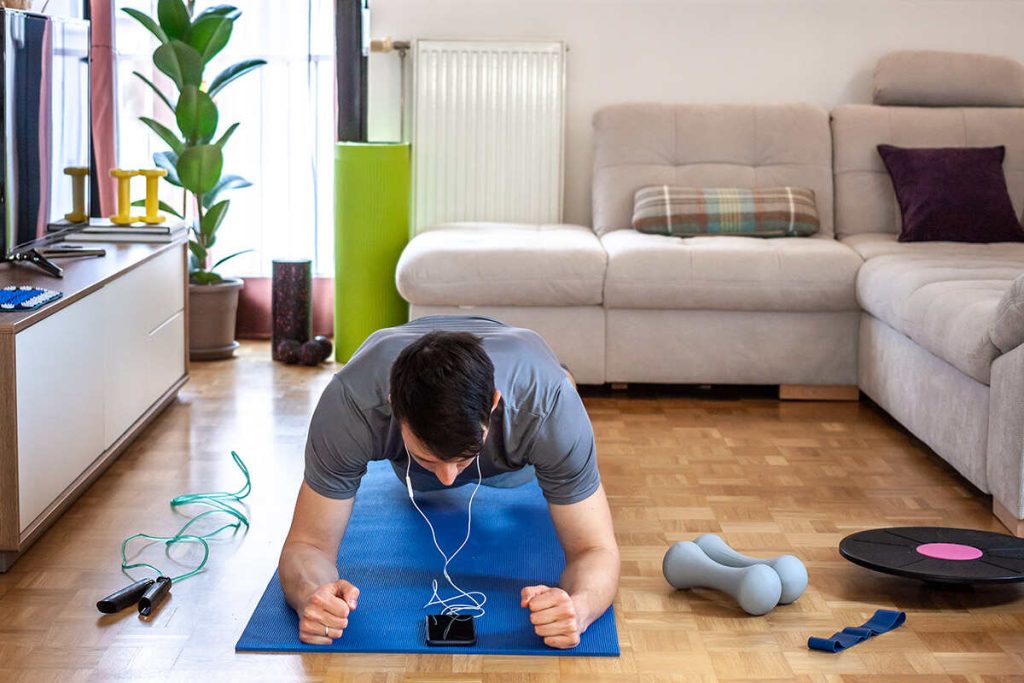
- Accessibility: Pilates can be practiced in a group class or individually at home with minimal equipment. Reformer Pilates is often performed in a studio setting under the guidance of a trained instructor due to the specialized equipment involved.
Whether you choose Pilates or Reformer Pilates, both forms can help improve your overall fitness, posture, and mind-body connection. But we rely more on Pilates in this blog rather than reformer Pilates. Because you can do Pilates at your convenient time and place[4].
What Are the Benefits of Pilates?
Pilates offers various health benefits for the body and mind. Here are some of the main benefits of practicing Pilates[1]:
Improved Core Strength and Stability
One of the key elements of Pilates moves is its emphasis on core strength. Exercises that concentrate on the core muscles improve stability and fortify the midsection. In addition to helping in injury prevention, a strong core also improves balance and general posture.

Increased Flexibility
By carefully targeting and extending the muscles through controlled movements, pilates increases flexibility. Unlike high-impact exercises that may strain the joints, Pilates focuses on stretching and elongating the muscles. This leads to an improved range of motion. Regular Pilates practice can help relieve muscle tension, reduce the risk of injuries, and enhance overall flexibility.
Enhanced Body Awareness
Pilates emphasizes the mind-body connection, encouraging practitioners to become more aware of their bodies and movements. By engaging the mind and focusing on proper alignment and breathing techniques, you can develop a heightened sense of body awareness. This increased awareness carries over into daily life, improving posture, movement efficiency, and coordination.
Stress Reduction
Incorporating Pilates into your routine can do wonders for stress reduction. The controlled movements, deep breathing, and focus required during Pilates create a meditative experience. Pilates’ concentration on the mind-body link helps with relaxation and anxiety reduction. This promotes overall well-being.
Posture Improvement
Many people suffer from poor posture due to sedentary lifestyles and desk-bound jobs. Pilates targets the deep postural muscles responsible for maintaining proper alignment and supporting the spine. By strengthening these muscles, Pilates helps correct postural imbalances, promoting an upright posture. Pilate can also lower the chance of chronic back aches.
Rehabilitation and Injury Prevention
Healthcare professionals often recommend Pilates as a part of rehabilitation programs. Its low-impact nature makes it suitable if you are recovering from injuries or dealing with chronic conditions. Pilates helps improve muscular imbalances, strengthen weak areas, and prevent future injuries by focusing on controlled movements and targeting specific muscle groups[2].
Increased Energy and Stamina
Engaging in regular Pilates sessions can enhance energy levels and bolster stamina. Pilates facilitates improved blood circulation and oxygenation by using controlled breathing techniques and fluid movements. Consequently, essential nutrients are efficiently transported to muscles and organs, bestowing a revitalizing impact. This revitalization, in turn, translates into heightened energy, heightened concentration, and enhanced endurance for everyday tasks.
By embracing Pilates as a consistent practice, individuals can experience an uplifted state of being as their bodies become more resilient and their overall vitality flourishes. Such benefits enable individuals to diligently tackle their daily activities and accomplish tasks more efficiently.
What Should Be Taken Into Consideration While Doing Pilates?
As the best Pilates moves offer numerous benefits, it’s crucial to approach Pilates with careful consideration. When practicing Pilates, there are a few considerations to keep in mind to ensure a safe and effective workout[5]:
Seek Professional Guidance
It is advised to obtain advice from a certified instructor prior to beginning a Pilates journey. A certified Pilates instructor can teach you the correct techniques, assess your fitness level, and provide modifications based on your individual needs and limitations. Their knowledge guarantees that you carry out the exercises properly, reducing the possibility of injury and optimizing the advantages. Certified instructors can help you set realistic goals and design a customized Pilates routine tailored to your requirements.
Start Slowly and Progress Gradually
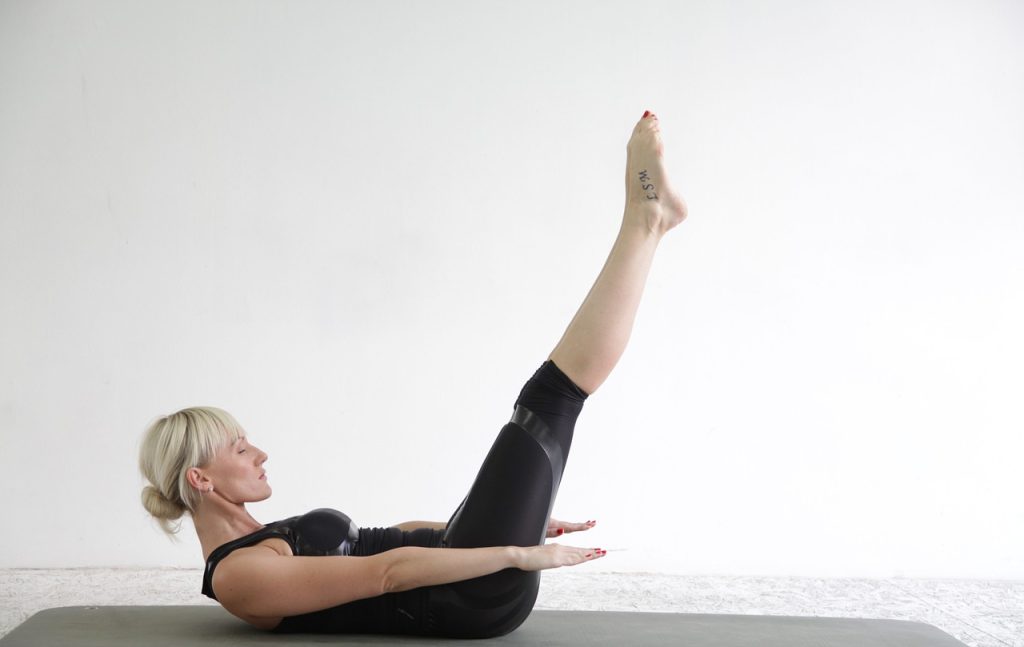
Like any new physical activity, starting Pilates slowly and progressing gradually is important. Pilates involves engaging your core muscles and requires proper body alignment and control. Rushing into advanced exercises requires building a strong foundation to avoid strain or injury. Begin with beginner-level classes or sessions and focus on mastering the fundamental movements. You can gradually introduce more challenging exercises and improve your practice as your coordination, strength, and flexibility improve.
Listen to Your Body
One of the key principles of Pilates is body awareness. Pay special attention to what your body is saying while you carry out easy Pilates movements by listening into its signals. It’s critical to distinguish between discomfort and pain. Discomfort might arise from stretching or working muscles in new ways, but the pain is a warning sign that you should stop and consult a professional. Recognize your body’s limitations, exercise sensibly, and take pauses as needed. Pilates is about building strength and improving posture, not pushing yourself to the point of pain or exhaustion.
Maintain Proper Alignment
Correct alignment is crucial in Pilates to ensure optimal muscle engagement and prevent injuries. Focus on maintaining a neutral spine, which means maintaining the natural curves of your spine without excessive arching or flattening. Proper alignment extends beyond the spine to include the position of your shoulders, hips, and limbs. The secret to maximizing your Pilates exercise and lowering the risk of strain or injury is to comprehend and practice good alignment.
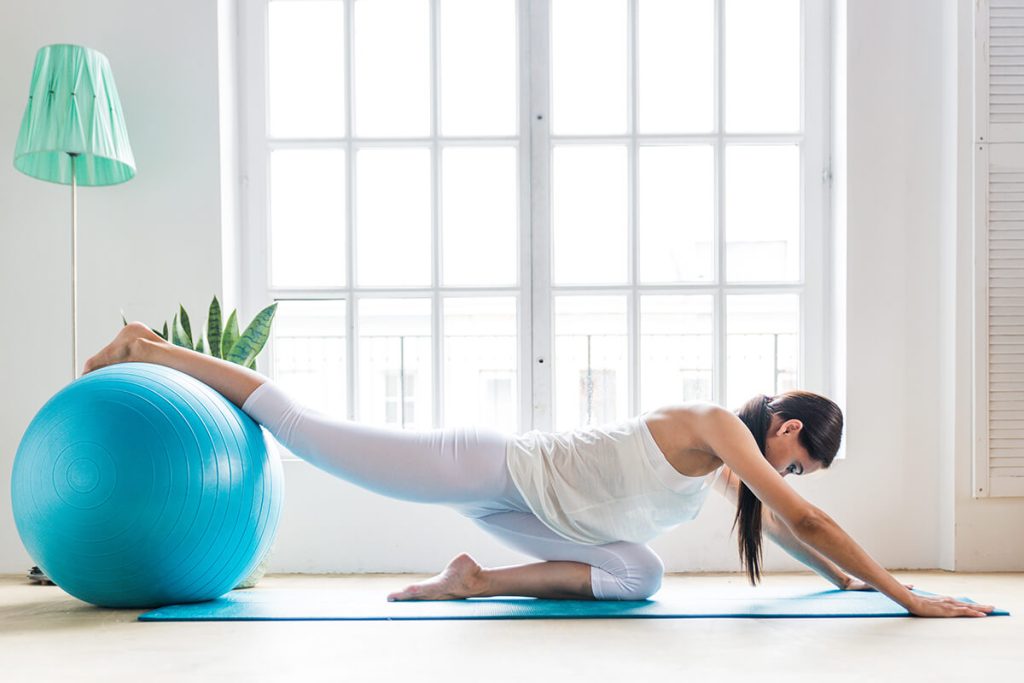
Breathe Mindfully
Pilates incorporates conscious breathing on a regular basis. Breathing deeply and rhythmically helps to oxygenate your muscles and promote relaxation. Pay attention to your breath during the exercises, and aim for a coordinated and controlled breath pattern. Generally, exhale during the exertion phase or when you engage your core and inhale during the release or stretching phase. Mindful breathing enhances your physical performance and aids in stress reduction and mental focus.
Conclusion
Pilates offers various benefits for both the body and mind. From improved core strength and flexibility to enhanced body awareness and stress reduction, it is a mind-body exercise that promotes overall well-being. Pilates can provide you with the tools to accomplish your goals, whether you are a fitness expert or a beginner seeking a moderate but effective workout. Embrace the transformative power of Pilates and unlock a healthier, more balanced lifestyle.
References
- 1. Pilates 101: What It Is and Health Benefits (Cleveland Clinic)
- 2. 5 Benefits of Pilates That Might Convince You to Add It to Your Workout Regimen (Houston Methodist)
- 3. Pilates (Wikipedia)
- 4. Reformer Pilates – What’s the difference and what’s all the fuss about? (Studio Pilates)
- 5. 8 ways to improve your Pilates practice and gain better results (Health Shots)


Highlights

Incorporating sports into your daily life is as important for achieving a fit appearance as it is for promoting a healthy and long life. If you want to balance your calorie intake, burn fat, and maintain muscle density, you can try cardio exercises such as running, swimming, and cycling. However, if your goal is to shape your body and achieve …

Are you looking for a comprehensive guide on the advantages of using coconut oil? Then stay tuned for the top benefits of utilizing coconut oil! If you love cooking, you may have heard about coconut oil which is prominent for good reasons. It provides many well-being advantages. Not only health benefits, but coconut oil has a delicate taste and is …

Building and repairing tissues, boosting immune system performance, and preserving general health depend on protein, a macronutrient. Although it may be found in entire meals, including meat, fish, dairy, legumes, and nuts, consumers often use protein powder as a quick and practical way to fulfill their protein needs. This blog post outlines the ins and outs of protein powder.