


Dumbbell Squat Guide
Dumbbell squat is flexible workout that may be done at home or the gym. It is a more efficient variant of the regular barbell squat. This workout is meant to target and build lower-body muscles, and it has various advantages for anybody trying to gain muscle and improve general fitness. When performed correctly, the dumbbell squat may provide significant advantages, making it an excellent choice for anybody looking to enhance their lower body strength and physique.


İÇİNDEKİLER
How To Do a Dumbbell Squat?
Dumbbell squat is an excellent exercise for building lower-body strength and muscle. This customizable workout may easily be incorporated into your regimen, whether at home or at a gym. To do dumbbell squats with proper form and technique, follow the steps below[1]:
Starting Position
- Begin by standing with your feet shoulder-width apart and your toes turned out slightly.
- Hold a dumbbell in each hand, leaving your arms to dangle at your sides naturally.
Lowering Phase
- Initiate the movement by pushing your hips back and bending your knees.
- Keep your back straight, your chest lifted, and your eyes looking forward throughout the exercise.
- As you lower your body, imagine sitting back into an imaginary chair, shifting your weight onto your heels.
- Continue descending until your hips are parallel to the floor. Maintain a controlled and steady pace throughout this phase.

Bottom Position
- Your thighs should be parallel to the floor at the bottom of the squat.
- Ensure your knees align with your toes, tracking in the same direction.
- Take a brief pause to maintain stability and engage your muscles before proceeding to the next phase.
Ascending Phase
- Push through your heels and activate your leg muscles to start rising back up.
- As you ascend, focus on driving your hips forward to engage your glutes.
- Keep your core tight and maintain an upright posture throughout the movement.
- Continue rising until you reach the starting position, fully extending your legs and returning to a standing position.
Repeat
- After completing one repetition, you can continue performing additional reps to complete your desired set.
Remember that appropriate form and technique should take precedence over the amount of weight you lift. Begin with lighter dumbbells to ensure proper technique before progressively increasing the weight. Listen to your body and alter the workout as needed to accommodate your fitness level and any physical restrictions you may have.
How to Make The Dumbbell Squat Easier?
It is important to tailor workouts to individual needs and abilities to ensure safety and progress. If you find the dumbbell squat challenging, there are several modifications you can implement to make it easier while still reaping the benefits of the exercise. For this, you can make the following versions[2]:
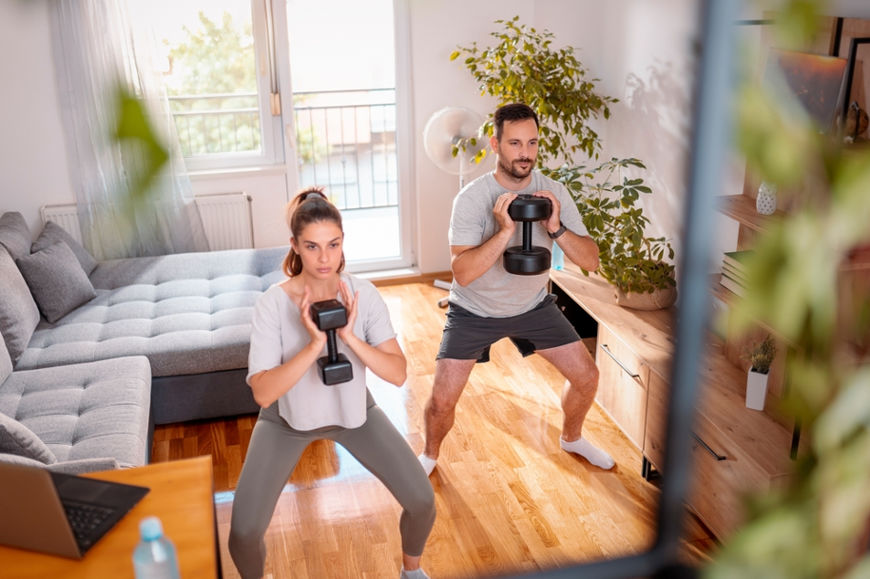
Bodyweight Squats
Start with bodyweight squats to make the dumbbell squat simpler. By removing the additional weight from dumbbells, you can concentrate on perfecting the squat movement pattern and improving lower-body strength. Before advancing to weighted versions, bodyweight squats assist in improving good form and technique.
Goblet Squats
Goblet squat is a great variation for anyone new to squats or wishing to increase strength gradually. Instead of holding dumbbells at your sides, position one vertically in front of your chest, with both hands grabbing the upper part of the dumbbell. This front-loading of the weight helps to shift your center of gravity and improve balance while reducing the load on your lower body.
Elevated Heel Squats
If you struggle with ankle mobility or have difficulty maintaining proper form during squats, elevating your heels can provide additional support. Place small weight plates or a wedge under your heels, allowing you to maintain a more upright torso position and reduce stress on the knees. This modification is particularly useful for individuals with limited ankle flexibility.
Resistance Bands
Incorporating resistance bands can assist in making the dumbbell squat easier. Attach the bands around sturdy anchor points, such as a squat rack or heavy furniture, and loop them under your feet. As you squat down, the bands provide upward resistance, helping you ascend with less effort. This modification reduces the load on your muscles, making the exercise more manageable.
Decrease Depth
Adjusting the depth of your squat can also make it easier. Instead of descending until your hips are parallel to the floor, perform a partial squat by lowering only halfway down or to a depth that feels comfortable for you. As you gain strength and confidence, gradually increase the depth over time.

How to Make the Dumbbell Squat Harder?
If you’ve mastered the basic dumbbell squat and are looking to intensify the exercise, there are several strategies you can implement to make it harder and more demanding. By progressively increasing the difficulty, you can continue to build strength, muscle, and overall fitness levels. Here are some effective ways to make the dumbbell squat more challenging:
Increase Weight
Increasing the weight you’re lifting is one of the simplest ways to make the dumbbell squat more difficult. Gradually raise the weight of the dumbbells you’re using, ensuring it’s still reasonable yet presenting a major challenge. This progressive overload stimulates muscle growth and strength development. However, it’s crucial to maintain proper form and technique throughout the exercise to prevent injury.
Implement Tempo Training
Tempo training involves manipulating the speed at which you perform each phase of the squat. Slowing down the lowering (eccentric) phase, pausing at the bottom, and exploding on the way up (concentric phase) can increase the time under tension and create greater muscle activation. For example, you can try a 4-0-2 tempo, where you take four seconds to descend, pause for no seconds at the bottom, and take two seconds to ascend. This method challenges both your strength and control throughout the movement.
Utilize Unilateral Movements
The dumbbell squat performed unilaterally (one side at a time) puts more strain on your stabilizer muscles and tests your balance and coordination. Instead of utilizing two dumbbells, execute the squat with a single dumbbell in one hand. This variation forces each leg to work independently, enhancing overall muscle recruitment and addressing any muscle imbalances.
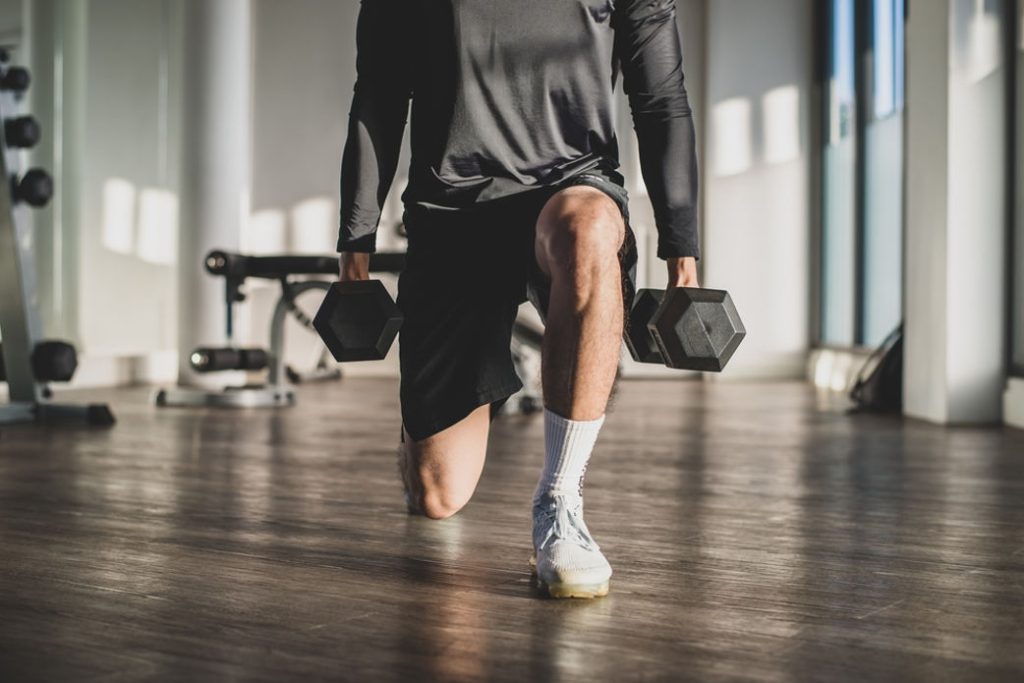
Incorporate Plyometrics
Plyometric exercises involve explosive movements that engage fast-twitch muscle fibers, enhancing power and athleticism. Incorporate plyometric variations into your dumbbell squats, such as jump squats or dumbbell squat jumps. These exercises add an element of intensity and increase the demand on your lower body muscles.
Try Front Squats
Front squats need more core strength and upper back stability since the load is moved to the front of your body. Instead of holding the dumbbells by your sides, raise them to shoulder height and rest them on your shoulders while you squat. This position puts more strain on your quadriceps, core, and upper back muscles.
What Muscles Does the Dumbbell Squat Work?
The dumbbell squat is a very efficient lower-body pressing exercise that works a wide range of muscles. While it may appear that the muscles engaged in a dumbbell squat are obvious, let’s take a deeper look at some of the primary muscle groups addressed and how different squat variations might further focus on certain regions[4].
Glutes
In the dumbbell squat, the glutes, especially the gluteus maximus, gluteus medius, and gluteus minimus, play an important role. As you lower your body, the glutes are heavily engaged in hip extension and rotation. By focusing on pushing the hips forward at the top of the movement, you can further activate and strengthen the glute muscles.
Quadriceps (Quads)
The quadriceps muscles, which include the rectus femoris, vastus intermedius, vastus medialis, and vastus lateralis, are placed in the front of the thighs. These are the key movers in knee extension, and they work hard throughout the squatting motion. To emphasize the quads, try front squats, in which the dumbbells are held at shoulder height in front of the body, or heel-elevated squats, which move more of the burden to the quadriceps.
Hamstrings
The biceps femoris, semitendinosus, and semimembranosus are all part of the hamstrings, which are positioned on the back of the thighs. While the hamstrings’ principal role is hip extension, they also operate as knee flexors during the squat. To especially target the hamstrings, consider Romanian dumbbell squats or dumbbell stiff-leg deadlifts, where the emphasis is on hip hinging and hamstring activation.
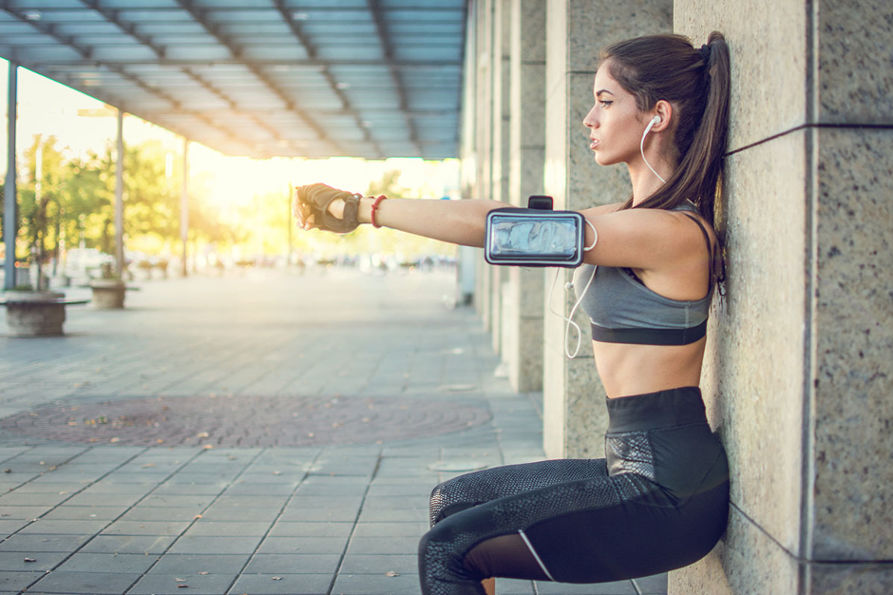
Calves
Although not the primary focus of the dumbbell squat, the calves contribute to the exercise. They help stabilize the ankles and assist in the upward phase of the movement. To increase calf engagement, you can perform squats with your heels elevated on a sturdy platform or incorporate calf raises as a separate exercise in your routine.
Core and Upper Back
For stability and appropriate posture, the dumbbell squat need a strong core. The core muscles, such as the rectus abdominis, obliques, and erector spinae, help to keep the body upright during the activity. Furthermore the upper back muscles, such as the trapezius and rhomboids, help you maintain appropriate posture and grip strength when holding the dumbbells.
The dumbbell squat is an excellent exercise for improving lower-body strength and muscle, making it an excellent alternative for home training or when gym equipment is restricted. You may successfully target muscles such as the glutes, quadriceps, hamstrings, calves, and engage the core and upper back by properly performing the squat exercise and gradually increasing the difficulty through weight, pace, and variations. The dumbbell squat is a flexible and effective exercise that may help you reach your objectives, whether you’re a novice hoping to increase your fitness or an experienced lifter wishing to enhance your leg training. So grab some dumbbells, keep good technique, and prepare to get the advantages of this amazing lower body exercise.


Highlights

Incorporating sports into your daily life is as important for achieving a fit appearance as it is for promoting a healthy and long life. If you want to balance your calorie intake, burn fat, and maintain muscle density, you can try cardio exercises such as running, swimming, and cycling. However, if your goal is to shape your body and achieve …

Are you looking for a comprehensive guide on the advantages of using coconut oil? Then stay tuned for the top benefits of utilizing coconut oil! If you love cooking, you may have heard about coconut oil which is prominent for good reasons. It provides many well-being advantages. Not only health benefits, but coconut oil has a delicate taste and is …

Building and repairing tissues, boosting immune system performance, and preserving general health depend on protein, a macronutrient. Although it may be found in entire meals, including meat, fish, dairy, legumes, and nuts, consumers often use protein powder as a quick and practical way to fulfill their protein needs. This blog post outlines the ins and outs of protein powder.