


Bulk Period: A Stronger and Aesthetic Body
Bulk Period is one of the topics eagerly researched by those who are new to sports and especially those who are interested in fitness and bodybuilding. Although the Bulk period, also called the “Volume Period”, is sometimes perceived as being able to eat excessively fatty or desired junk food and creates happiness, it actually requires a very careful nutrition and training program. Well, would you like to learn all the tricks of the Bulk period, a popular application in the fitness world? Here is the Bulk era with its important elements and details!


İÇİNDEKİLER
What is Bulk Period?
The bulk period can be defined as the period when your body gains weight and increases muscle mass. Bulk period aims to consume more calories and do more intense training with heavier weights. It is also a process in which you focus on getting enough rest for your body.
In other words, the target in the Bulk period is minimum fat, maximum muscle and strength gain.

Who is Bulk Period Suitable for?
If your fat percentage is below 20% (for men) and 25% (for women) and you want to gain muscle and strength as soon as possible, the Bulk period is suitable for you.
So, is the Bulk period, which is recommended for people who are low in fat and thin, also suitable for athletes with high fat content? For people with high fat level, Bulk period applications may result in more fat accumulation[2].
People who are thin but have high fat level are recommended to eat more than their daily calorie needs and do weight/cardio exercises. For athletes who are both high in fat and overweight, it is more beneficial to start sports with definition practices[2].
At the same time, it is very advantageous to be low in fat and muscular when starting sports. Athletes with these characteristics can choose to develop their muscles by performing Bulk period practices[2].
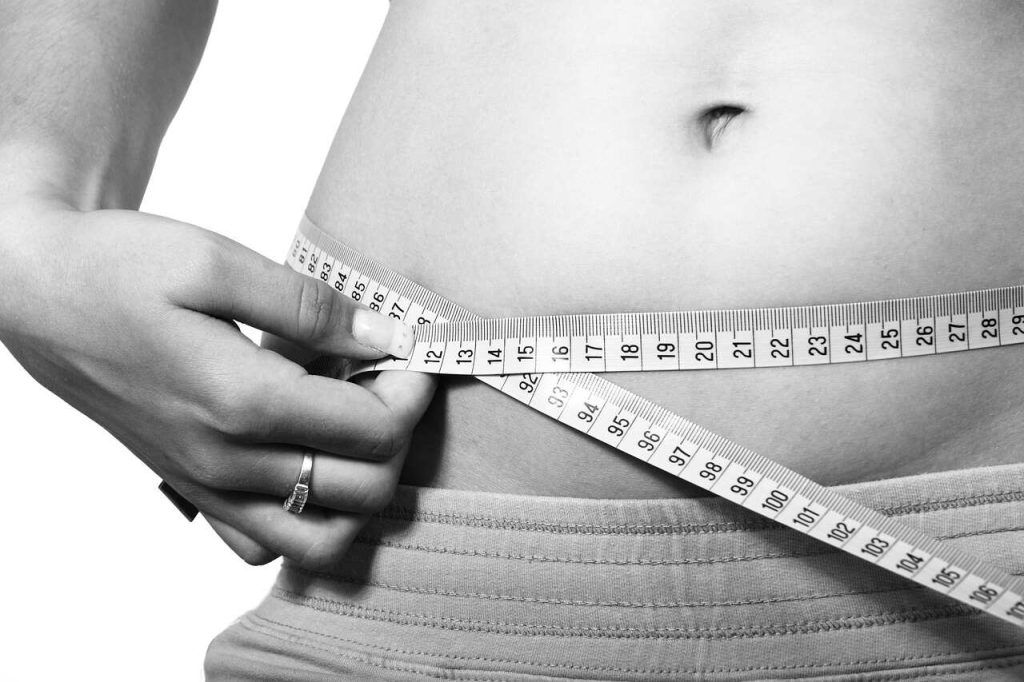
You can use MACFit’s calculation tool to calculate your body fat percentage.
Dirty Bulk or Clean Bulk?
Dirty Bulk
Although high calorie intake is the most effective and fastest method to increase muscle volume during this period, the disadvantages of this practice should not be ignored. Excessive fat, high cholesterol, high blood pressure and a feeling of laziness are inevitable as a result of consuming high-calorie foods with low nutritional quality.
Clean Bulk
During the Clean Bulk period, muscle gain is ensured with a controlled calorie surplus. Thus, the desired results can be achieved with low fatness. Foods with high nutritional quality are consumed in line with the nutrition program.
“Clean Bulk” should be the preferred way to stay healthy. Although the process is slow, fat gain is low and most of the weight gained is muscle weight.

How Should Nutrition Be During Bulk Period?
The aim of the bulk period should be to gain weight by creating a calorie surplus, thus gaining muscle. To calculate this calorie surplus, you must first calculate the amount of calories you need daily. To do this, the first thing you need to do is find your basal metabolic rate, that is, the calories your body burns during rest throughout the day. You can use the MACFit calculation tool to calculate basal metabolic rate.
You must consume more calories than you burn during the day to gain weight. So how many extra calories should you consume? If you think that you will consume calories by keeping your fat percentage to a minimum, it is useful to follow a careful path when adjusting the calorie surplus.
Muscle gain requires a long process. Eating too much calories results in fat gain. During this process, if the calorie surplus is insufficient, weight and muscle gain slows down, calories can be increased.

Considering that everyone’s weight, muscle density, training tempo and daily basal metabolic rate are different, you can start with an excess of 250-750 calories. Or you can start with 10% more than your daily calorie needs and increase this rate according to your goal throughout the process.
For example; For an athlete whose daily calorie need is 2500 calories, a diet of 2500+250=2750 calories would be appropriate at the beginning of the bulk period.
It is more beneficial to take weekly measurements instead of daily during the bulk period. (2) There may always be fluctuations in your weight on a daily basis. Weighing yourself at the same time on a single day of the week, without clothes if possible, and following the measurements will give more accurate results.
If you gained about 2 kilos during the weekly measurements on the bulk period, the calorie amount is generally found to be appropriate, but if there is an increase of 3-5 kilos, you may need to reduce the calorie surplus by 100-150 calories[2]. Remember that ideal calorie calculations may always vary from person to person.
Stable measurements during the bulk period, changes based on follow-ups, and disciplined practices are of great importance in achieving the results you desire. You need persistence, determination and patience with yourself.
Nutrition During the Bulking Period
Macronutrients that contribute calories are proteins, carbohydrates and fats.
Proteins: They contain amino acids that play the most active role in muscle building. Consumption of proteins, especially those found in animal foods, directly affects muscle development positively. According to many recent studies, the athlete should consume 1.8-2.0 grams of protein per body weight daily for Hypertrophy (Muscle growth).
1 g Protein = 4 Kcal (Calories)
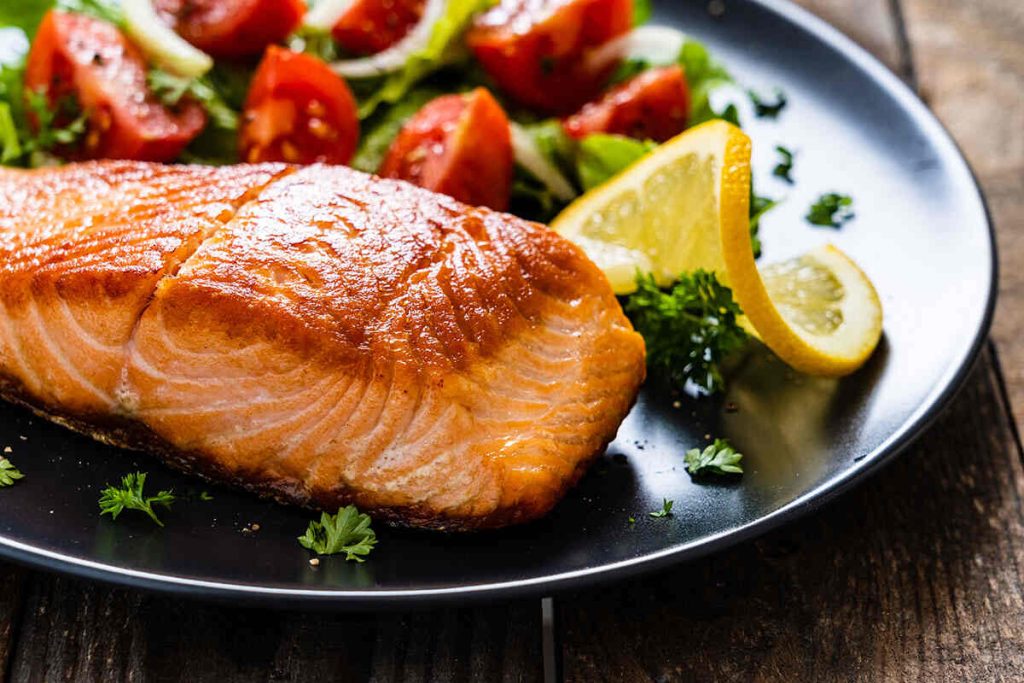
Fats: They are one of the indispensable energy sources for the body. Fats are very important for our body to stay healthy. Whether it is the bulk period or the definition period, it is necessary to choose the oil source correctly. Natural oil sources containing unsaturated fatty acids should be chosen.

1 g Fat = 9 Kcal (Calories)
Carbohydrates: They are one of the main energy sources after proteins and fats. Carbohydrates constitute the majority of the nutrition. Carbohydrates are used as the main energy source to increase muscle and strength during the bulk period. Including complex carbohydrates rather than simple carbohydrates in the nutrition program prevents excess fat gain. The athlete should consume 4-6 grams of carbohydrates per weight on a daily basis for muscle gain.
1 g Carbohydrate = 4 Kcal (Calories)
For example;
For a 70 kg athlete, consuming 3000 Kcal with a calorie surplus
If 25% is added as oil;
3000 x 25% = 750 Kcal
70 X 2 g Protein = 140 g Protein = 560 kcal
Fat+Protein: 750+560=1310 Kcal
Then, the remaining Calories are completed with Carbohydrates.
3000-1310= 1690 Kcal
1690 kcal / 4 Kcal = 442 Gr Carbohydrate
422 / 70 (Athlete’s weight) = 6 g Carbohydrate per kg
Which Foods Should Be Consumed During the Period?
Your first goal should be to ensure calorie intake with quality foods during the Bulk Period. You should consume foods rich in vitamins and minerals whenever possible, adhering to protein, fat and carbohydrate ratios.
Foods of animal origin should come first as protein sources, because of the high amounts of protein they contain. Eggs, red meat, white meat, fish and dairy products should be the first choice because of their high amino acid content. Vegetable proteins can also be another option. However, it’s important to keep in mind that legumes also contain carbohydrates, so adjustments should be made accordingly. Additionally, if you want to get enough amino acids from herbal proteins, you should diversify your plant protein sources.

Choosing the right fat source is very important for health and good immunity. Especially natural and high-quality oils should be chosen. For example; olive oil, coconut oil, avocado oil and some nuts (such as almonds, walnuts, peanuts) are among these.
When choosing carbohydrate sources, you can use both types of carbohydrates. Quickly digested simple carbohydrates can be preferred to fill glycogen storage faster. Honey, fruits, and sugary foods are a few examples. Fruits should be preferred as they are rich in vitamins.
Slowly digested, complex carbohydrates are the keystone of nutrition. You should consume these sources of carbohydrates for your muscle development and performance to continue at the highest level. For example, rice, cracked wheat, buckwheat, oats, potatoes, whole wheat pasta and legumes, etc. can be offered.
How Long Does the Bulk Period Last?
There is no definitive period for the bulk period; the practice may vary from person to person. (3) The important thing is what kind of nutrition and training program the athletes prefer. The bulk period may last 6 months, 1 year, or it may last shorter or longer. After the process is completed successfully and the athlete gains weight and increases muscle mass, he/she should continue to eat and train in a controlled manner.
What Should Be Done After the Bulk Period?
It is a common practice to enter the Definition period after the Bulk period. The logic is that after body volume is increased and muscle mass is obtained, this mass is broken down and made more visible. To achieve the goal, a Definition diet targeting fat burning is performed. Thus, fat burning can be done while muscle loss remains at a minimum[1][2]. Professional athletes often implement Bulk-Definition periods cyclically.
How to Train During Bulk Period?

In order to gain muscle and increase strength, it should be done intense weight training first. After each adaptation period, you should gradually increase the weight or training intensity to increase the stress applied to the muscle.
Applying programs that include Hypertrophy techniques, which provide mechanical and metabolic stress at the same time for muscle development, allows you to get rapid results. You should also make sure that you give the muscles the necessary rest time to recover during the bulk period.
Additionally, adding compound exercises to your program that engage more than one muscle at the same time (such as Deadlift, Free Squat, Walking Lunges Bench Press) is effective in developing maximum muscle.
In addition to these exercises, you can also add isolated movements specific to a certain area to your training program. In this way, it becomes possible to work more intensively on the areas that are missing and that you want to improve.
Rather than intense, high-calorie-burning cardio workouts during the bulk period, low-tempo and timed cardio has a positive effect on muscle gain and strength increase. Although cardio training is not a necessity during the bulk period, it is recommended to do this type of training considering its benefits in terms of both fitness and cardiovascular health.
Sample Training Program in Bulk Period
1st Day
Incline Barbell Bench Press 4×8
Bench Dumbell Flies 4×12
Chest Dips 4×8
Cable PushDown 4×8
Close Grip Bench Press 3×8
2nd Day
Barbell Shoulder Press 4×6
Dumbell Side Lateral Raises 4×12
Bentover Rear Dumbell Lateral Raises 4×12
Barbell Curls 4×6
Dumbell Hammer Curls 3×12
Barbell Shrug 3×8
3rd Day
Pull Ups 4×6
Bent Over Barbell Row 4×12
Cable Close Grip PullDown 4×8
Seated Cable Row 4×12
Back Extension 4×12
Decline Sit Up 4×12
4th Day
Barbell Squat 4×6
Barbell Forward Lunge 3×12
Barbell Stiff-legged Deadlift 3×12
Lying Leg Curls 4×6
Steated Calf Raise 3×12
Bosu Bench Leg Raise 4×12
*20 minutes of low tempo cardio at the end of training every day.
As a result, the Bulk period provides great benefits in terms of increasing your muscle mass in a healthy way and developing and strengthening your body. In order to look aesthetic and to be stronger and more energetic, you can first consult an expert and implement the ideal Bulk program for yourself.


Highlights

Incorporating sports into your daily life is as important for achieving a fit appearance as it is for promoting a healthy and long life. If you want to balance your calorie intake, burn fat, and maintain muscle density, you can try cardio exercises such as running, swimming, and cycling. However, if your goal is to shape your body and achieve …

Are you looking for a comprehensive guide on the advantages of using coconut oil? Then stay tuned for the top benefits of utilizing coconut oil! If you love cooking, you may have heard about coconut oil which is prominent for good reasons. It provides many well-being advantages. Not only health benefits, but coconut oil has a delicate taste and is …

Building and repairing tissues, boosting immune system performance, and preserving general health depend on protein, a macronutrient. Although it may be found in entire meals, including meat, fish, dairy, legumes, and nuts, consumers often use protein powder as a quick and practical way to fulfill their protein needs. This blog post outlines the ins and outs of protein powder.