


Everything You Need to Know About Weight and Strength Training
Weight and strength trainings are among the exercises that help you shape your body to the desired shape. Exercises that you can do with your body weight as well as free or fixed weights allow you to increase your muscle resistance. Weight training, which also offers benefits in terms of health, is very popular among athletes. “What are the benefits of weight training?”, “How many calories does weight training burn?” or “How to lift weights correctly?” If you are curious about the answers to questions like these, you can delve deeper into the article to find answers to all your questions instantly.


İÇİNDEKİLER
What is Weight/Strength Training?
Weight training generally helps you build stronger muscles overall. It can enlarge your bones or joints and make it possible for you to have a healthy structure. As you get older, you may feel that you are starting to lose your strength; thanks to weight training, you can quickly reach your desired fitness level and maintain your strength. There is a fundamental difference between weight training and strength training. Weight training is basically a practice done with weights. Strength training, on the other hand, is a type of exercise that you use your own body weight. Strength training is a special type of exercise that helps you build muscle mass. When you do both exercise together, you can gain a more solid structure and achieve the look of your dreams.
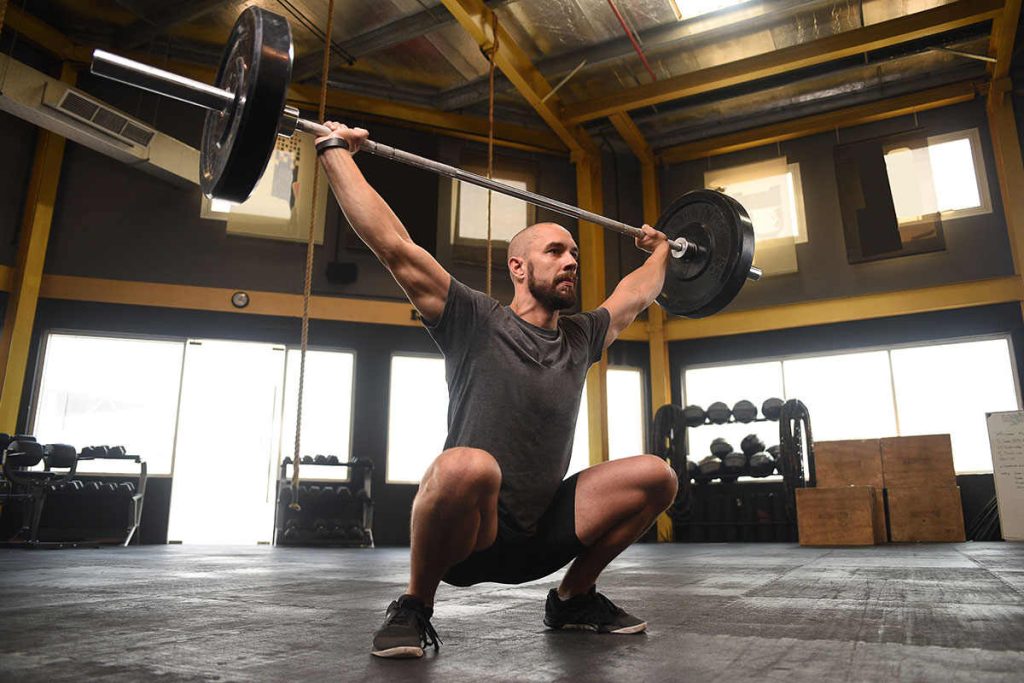
When doing weight training, you need extra equipment such as barbells, dumbbells, or kettlebells. Weight training, which has an important place in bodybuilding, allows you to achieve the results you desire in a shorter time with the support of additional equipment. Weight machines also help you do these exercises. If you do not have this equipment, you can also perform your training by supporting your body weight through push-ups. Strength training consists of movements that help you increase muscle mass using your body weight, such as pull-ups or sit-ups.
These exercises are generally for people looking to be healthier or lose weight. Additionally, if you want to have a fitter body, you can benefit from weight/strength training. People who want to develop specific muscle areas like their shoulders or arms can also benefit from weightlifting exercises. Weight and strength training helps you reverse age-related declines in muscle mass. It allows you to increase bone density and joint flexibility. Additionally, it allows you to control your body weight more easily. Thus, you can maintain your balance without difficulty. You can achieve the results you desire in weight and strength training by working on the muscle groups you want to strengthen generally[2]. Once you know in which muscle group the movement is effective, you can achieve the efficiency you want. When you focus on doing the movement correctly rather than how many times you repeat it, you can start improving your body in a shorter time.

What are the Benefits of Weight/Strength Training?
Weight training offers you a number of health benefits when it is done correctly. However, if you do not perform the movements correctly or push yourself too much, it can cause strains and sprains, and then major injuries such as fractures. If you want to get more information about weight and strength training, you can review the list below and start learning about its benefits[3].
- Exercising muscles can increase metabolic rate.
- It strengthens your bones and connective tissue.
- It increases muscle endurance, making your daily activities easier.
- It helps improve coordination and balance.
- It increases your self-confidence and self-esteem.
- It accelerates calorie burning[4].
According to a study conducted in 2017, exercises like weight training also positively affect your psychology. It helps you feel better by reducing anxiety[5]. If you feel bad, weight training can help improve your mood. Strength and weight training not only improves your body but also offers some health benefits. It reduces your risk of diabetes by regulating your insulin values. As with any activity, your quality of life increases when you do weight training. It allows you to perform different movements more comfortably as it protects your joints from injuries. Building your muscles can also reduce your risk of falling because it helps you maintain your body balance. By strengthening your muscles and joints, you can maintain your independence as you get older and perform your daily tasks more comfortably. Strength training can reduce the signs and symptoms of many chronic conditions, such as back pain, obesity, depression or diabetes. This helps you take your own precautions against possible inconveniences. Among important details everyone should know is that weight training isn’t just about bodybuilders lifting weights in the gym. This type of exercise is important for everyone, as regular strength or resistance training helps prevent the loss of fat-free muscle mass that comes with aging. Gaining fitness and improving body functions are among the prominent aspects of weight training. Weight and strength training is one of the exercises that are recommended to be included in your sports programs as it helps you become stronger and fitter. It makes it easier for you to accomplish the daily tasks you need to do. It reduces the possibility of natural muscle loss occurring. You can feel better and improve your daily life with weight training, which is a type of exercise recommended for both men and women.

Weight/Strength Training or Cardio?
Although it does not allow you to burn fat as quickly as cardio, weight/strength training also has some benefits of its own. In order to lose weight correctly and prevent sagging in your body, you need to get support from weight training. Although cardio increases your fat burning rate as a result of intense exercise, it is not as effective as weight training in preventing undesirable conditions such as sagging. While cardio accelerates calorie burning by allowing your body to work quickly when it is performed, its efficiency in losing weight may be less compared to weight lifting. By doing strength training, you accelerate blood circulation and fat burning without reducing your muscle mass[6].
What differentiates cardio and weight/strength training is their effect on your body. Aerobic activities, such as cardio, use oxygen to increase breathing and heart rate. It triggers your body’s need for oxygen by increasing and decreasing the heart rate. Generally, cardio exercises help your heart and lungs use oxygen throughout your body more efficiently. Anaerobic exercises, such as strength/weight training, break down glucose in the body to meet energy needs without the need for oxygen. Thus, it allows you to use more energy in a short time and accelerate your metabolism. If you want to burn more fat and lose weight faster, you can get support from weight training. Cardio training helps you burn more calories when sweating, while strength exercises allow you to continue burning those calories throughout the day. Additionally, when your muscles are at rest, your body burns more calories than fat. When you work on your muscles by doing weight training, you can continue burning fat after exercise. Although cardio exercises positively affect fitness, you can increase bone density, which affects your strength, by doing strength training. Stronger muscles support your joints, reducing your risk of knee or shoulder injury.
You can also achieve effective performance by combining strength training and cardio. While cardio accelerates fat loss, weight training helps you increase your muscle mass. You can gain muscle and lose fat when you combine the two. Although the training time will be a little longer when you combine two exercises, you can be sure that you will spend your time well. According to a 2019 study, participants who combined strength training and cardio for 8 weeks reduced their heart disease risk factors better than those who did only one of the two types of exercise. Combining the two types of exercise can help your heart health[7]. You can combine various exercises to achieve the fitness you desire and improve your health, and start to achieve productive results in a short time.
How Many Calories Does Weight/Strength Training Burn?
When you prepare a strength training program, you may want to know how many calories you can burn in how much time. First of all, you need to know that these rates will vary depending on body weight and the intensity of your exercise. You can examine the estimated values of how many calories you can burn in how long for an individual who weighs 70 kilos and does an average strength training, from the list below:
- As a result of a 5-minute workout, 37 calories
- After 10 minutes, 74 calories
- 15 minutes, 110 calories
- 30 minutes, 220 calories
- As a result of a 60-minute exercise, 441 calories
After a 2-hour workout, you can burn 882 calories. Since weight training helps you burn calories without reducing your muscle mass, these values may vary. In addition, the way and manner in which the movements are performed may cause fluctuations in the average amount of calories burned. If you want your body to get into the shape you desire without losing muscle mass, you can get support from weight training. The list you see above can give you an idea of how many calories you can burn in how much time and as a result of these exercises. If you have a goal you want to achieve, you can start getting the results you want by writing a special program for it.

Should Weight/Strength Training Be Done on an Empty Stomach or a Full Stomach?
Although it is not recommended to do most exercises on a full stomach, you may have difficulty in achieving the results you want by doing weight training on an empty stomach. As the general purpose of weight training is to increase your muscle mass, you need a certain fuel to gain this mass. If you are just starting weight training, it is recommended that you do the exercises by eating something at the beginning. The body reacts differently to hunger and fullness. Metabolism and energy balance behaviors may vary depending on your satiety status. Certain studies support the idea that exercising when you’re not hungry, while others support the idea that exercising when you are. Research shows that the feeling of fatigue occurs later when carbohydrates are taken into the body. As a result, weight training is more comfortable when endurance is crucial. It is stated in the research that the feeling of fatigue comes later and is due to the increased presence of blood sugar. Although there is not much apparent difference in short-term endurance training, the negative effects of hunger may occur as the duration of exercise increases. By watching yourself and exercising on an empty and full stomach, you can better ascertain the precise answer to this question and assess how it affects you.
References
- 1. https://bagisiklik.com/bagisiklik/agirlik-antremani-hakkinda-her-sey/
- 2. https://www.researchgate.net/publication/319159572_The_Effects_of_Resistance_Exercise_Training
- 3. https://www.365gun.com/kolay-egzersiz/kardiyo-mu-yapsam-yoksa-agirlik-mi-calissam
- 4. https://journals.plos.org/plosone/article?id=10.1371/journal.pone.0210292
- 5. https://www.fatsecret.com.tr/
- 6. https://www.researchgate.net/publication/328367161
- 7. https://journals.physiology.org/doi/full/10.1152/japplphysiol.01195.2007


Highlights

Incorporating sports into your daily life is as important for achieving a fit appearance as it is for promoting a healthy and long life. If you want to balance your calorie intake, burn fat, and maintain muscle density, you can try cardio exercises such as running, swimming, and cycling. However, if your goal is to shape your body and achieve …

Are you looking for a comprehensive guide on the advantages of using coconut oil? Then stay tuned for the top benefits of utilizing coconut oil! If you love cooking, you may have heard about coconut oil which is prominent for good reasons. It provides many well-being advantages. Not only health benefits, but coconut oil has a delicate taste and is …

Building and repairing tissues, boosting immune system performance, and preserving general health depend on protein, a macronutrient. Although it may be found in entire meals, including meat, fish, dairy, legumes, and nuts, consumers often use protein powder as a quick and practical way to fulfill their protein needs. This blog post outlines the ins and outs of protein powder.